
Drying Laundry the Right Way: Effortless Techniques

Why Proper Drying Matters
How you dry your laundry affects three things: how long your clothes last, how they feel when you wear them, and how much money you spend on energy bills each month.
Too much heat or over-drying causes real damage. Cotton T-shirts can shrink permanently after just a few cycles on high heat.
Elastic waistbands in underwear and leggings become brittle and lose their stretch. Synthetic activewear can start to feel stiff and lose its moisture-wicking properties.
These aren’t hypothetical problems—they’re what happens when thousands of laundry workers and home laundry-doers skip reading the care tag.
Over-drying clothes can cause damage, so make sure not to overload the dryer; proper crowding allows for better airflow and more even drying.
Under-drying creates different issues. Clothes that come out of the dryer still damp, or that sit on a rack in a humid room for too long, can develop a musty smell that’s hard to remove.
Towels, jeans, and hoodies are especially prone to this. Left unchecked, that moisture becomes a breeding ground for mold and dust mites, which can turn a simple laundry task into a health concern.
As a fat man who sweats a lot, I know the importance of getting towels fully dry—nothing’s worse than grabbing a damp one after a shower.
A rough guideline: aim to get items fully dry within three hours of washing to minimize these risks.
There’s also the money factor. Electric dryers rank among the top energy consumers in many American households—right up there with your HVAC and water heater.
The drying method you choose directly impacts your utility bills, which is why understanding your options matters.
Using dryer balls can cut drying time by up to 25% by increasing airflow, making your routine more efficient and saving on energy costs.
Lorem Ipsum has been the industry’s standard dummy text ever since the 1500s.
Here are some concrete examples you’ll encounter. Jeans are typically labeled “tumble dry low.” Wool sweaters often carry “dry flat” instructions to prevent the weight of the wet fabric from stretching them out of shape.
Activewear frequently specifies “no fabric softener, tumble dry low or line dry” because heat and softeners damage moisture-wicking technology.
Pay special attention to labels on delicate items, especially those purchased after 2000. Silk blouses, rayon dresses, and blended knits react badly to high heat and can twist, pucker, or shrink beyond repair.
A simple rule of thumb: when in doubt, choose a cooler setting, a shorter time, or air drying, and check the garment halfway through. It’s easier to add more drying time than to undo shrinkage.
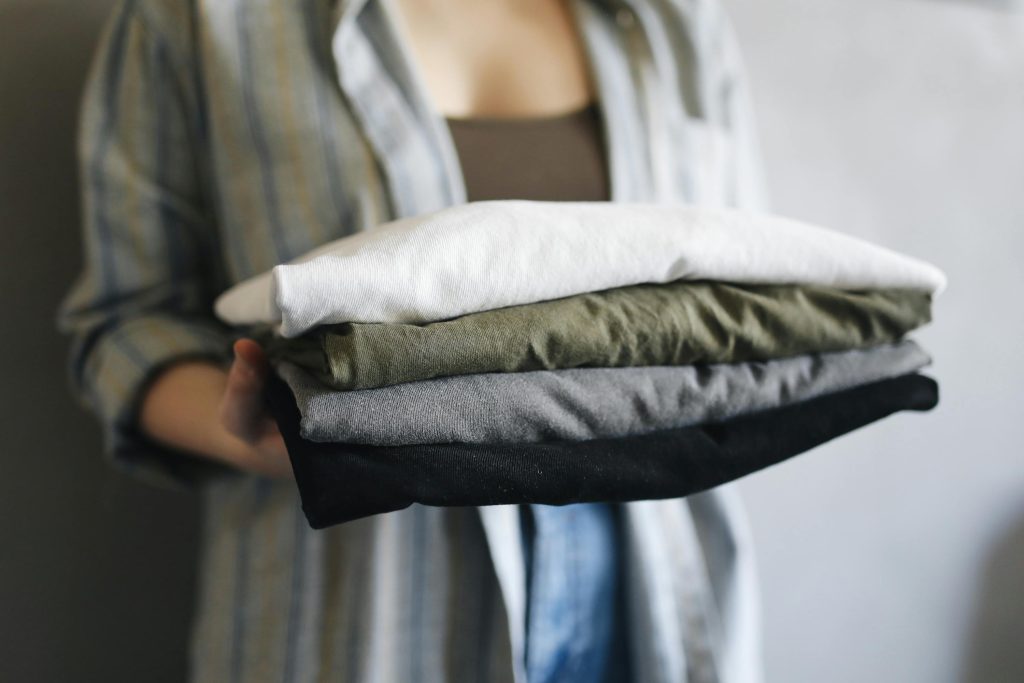
No single method works best for everything. Tumble dryers handle sturdy loads like towels and bedding quickly, while drying racks and clotheslines treat delicate or heat-sensitive pieces more gently.
The key is matching the method to the fabric and your living situation. The following subsections break down each approach in more detail.
Tumble Dryers: Gas, Electric, Condenser, and Heat Pump
A tumble dryer is a machine that blows warm air through clothes tumbling in a rotating drum. It’s the fastest way to dry most laundry, and it’s standard equipment in millions of American homes.
A typical vented electric dryer uses a 240-volt outlet (the large plug you see in most U.S. laundry rooms) to power a heating element. Dry air passes over that element, heats up, circulates through the tumbling clothes, picks up moisture, and then gets exhausted outdoors through a vent duct.
This design is effective and fast, but all that heated air leaves the house—which makes vented dryers energy-intensive.
Gas dryers work similarly but use a natural gas or propane flame to heat the air instead of an electric element. They require a gas line connection and proper venting, which limits where you can install them.
However, gas dryers often dry clothes slightly faster and may cost less to operate in regions where natural gas is cheaper than electricity.
Lorem Ipsum has been the industry’s standard dummy text ever since the 1500s.
Condenser dryers offer a solution for homes without external venting capability—common in apartments and older buildings. Instead of exhausting humid air outside, they use a heat exchanger to cool the moisture-laden air, causing water vapor to condense into liquid.
That water either pumps out via a drain hose or collects in a removable tank you empty regularly. They’re more flexible for installation but typically dry clothes more slowly than vented models.
Heat pump dryers represent the most energy-efficient option available in the U.S. market today. Think of them as working like a high-efficiency air conditioner in reverse—they recapture and reuse heat rather than expelling it.
This design uses much less electricity than traditional electric dryers, though drying times may be longer because the temperature is lower. Heat pump technology is more common in the UK and Europe but has become increasingly available stateside.
For mixed family laundry in 2026, consider using sensor-dry or automatic cycles rather than timed high-heat settings. Modern dryers with moisture-sensing capabilities automatically stop when clothes reach the desired dryness level, preventing over-drying and wasting energy.
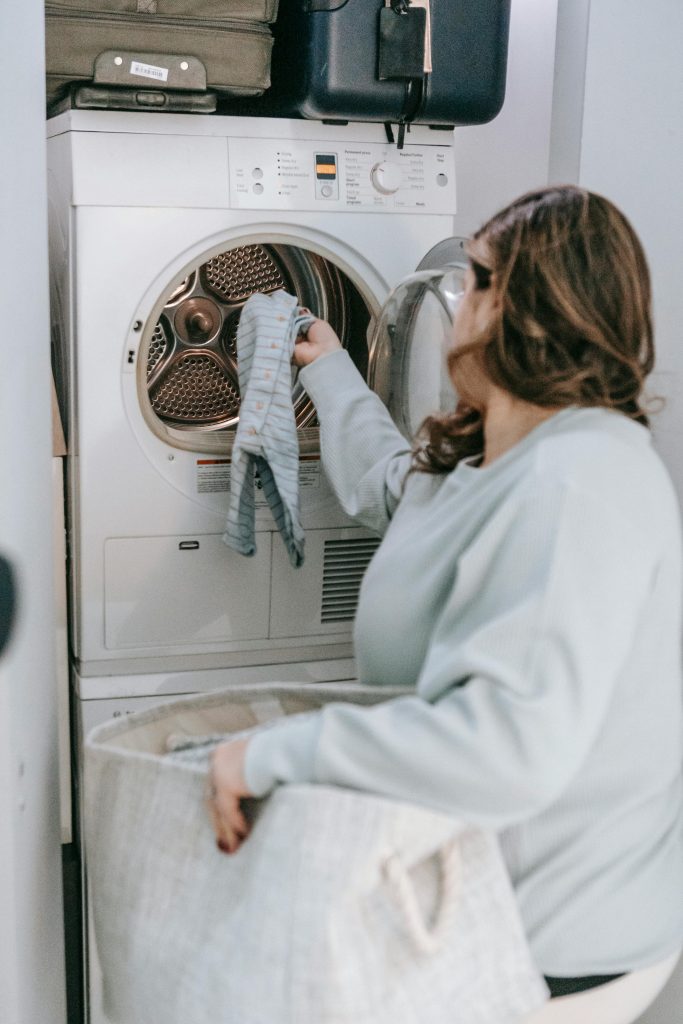
Concrete times to expect: a normal mixed load may take 40–60 minutes in a typical U.S. vented dryer. Towels, linens, or bedding might need 60–90 minutes to dry completely.
Clean the lint filter before every load. A clogged filter restricts air circulation, forcing clothes to stay in the dryer longer and exposing them to unnecessary heat. Beyond slowing things down, built-up lint creates a fire risk.
Here’s an easy tip that professional laundry workers use: remove T-shirts, pillowcases, and lighter pieces 10–15 minutes before the rest of the load finishes. This reduces wrinkles and prevents shrinking in heat-sensitive items while allowing heavier pieces the extra time they need.

Denim and jeans do best on tumble dry low or air dried from the waistband. Machine drying on higher heat risks permanent shrinkage. Hanging inside-out during air drying protects the color from sun exposure.
Wool and cashmere sweaters must dry flat on a rack or clean towel—never hanging. The weight of moisture in wet wool stretches the fibers permanently if you hang it from a hanger or clothespin.
Synthetic activewear made from polyester and spandex blends tolerates low heat in the dryer, but air drying is preferred to preserve elasticity and moisture-wicking properties. High heat can melt or deform synthetic fibers.
Problem fabrics like rayon, viscose, and certain linen blends can shrink or twist badly in hot dryers. Apply low heat only or air dry completely. Before committing a whole load of an unfamiliar fabric to any setting, test one less-expensive item first.
Drying Mistakes to Avoid.
Avoiding a few common mistakes can save your clothes and money over time.
Overloading the dryer prevents proper air circulation. Clothes clump together in the center and stay damp while the outside pieces over-dry. Give items room to tumble freely.
Using high heat for everything causes shrinking in cotton, damages elastic in bras and leggings, and fades colors faster. Match heat to fabric type rather than defaulting to the hottest setting.
Leaving wet clothes in the washer for hours before drying creates odors that are difficult to remove. That mildew smell comes from bacteria and mold growth in the damp, enclosed space.
Drying items labeled “dry flat” on hangers stretches them out of shape permanently. A woman pulled a cashmere sweater from her closet to find it had grown two sizes—all because she hung it wet instead of laying it flat.
Forgetting to clean the lint filter slows drying time, wastes energy, and increases fire risk. Make it part of your routine: check the filter every time you turn on the dryer.
Simple fixes work: use smaller loads, choose cooler settings, set phone reminders, and designate a flat-drying spot on a clean towel or rack for knits and sweaters.
Future articles on this page will dive deeper into specific topics: how to choose between gas and electric dryers, detailed guides to heat pump and condenser technology, step-by-step air drying setups for any living situation, and using dehumidifiers efficiently throughout the year.
Learning to dry laundry well is a simple skill that quickly becomes second nature. You’ve got the ground work—now it’s just a matter of putting it into practice, one load at a time.
Stay Ahead of
the Spin Cycle
Sign up for the latest in washing & drying tech, eco detergents, and more clever laundry room ideas—no fluff!