
Heat Pump Dryers Pros & Cons: Are They Really Worth It?

The 5 Most Common Heat Pump Dryer Questions:
Do heat pump dryers need a vent?
No. They use a closed loop system that recirculates the same air internally. No exhaust vent, ductwork, or exterior wall penetration required.
Do they really take longer to dry clothes?
Yes, typically 25–50% longer than a conventional electric dryer. However, they use far less electricity and operate at lower temperature settings that protect fabrics.
How does the water drain?
Moisture extracted from clothes becomes liquid water, either collected in a removable tank (emptied every 1–2 cycles) or sent through a small drain hose to a nearby sink or standpipe.
Can they plug into a standard outlet?
Some compact 120V models can plug into a standard household outlet. Most full-size units require a 240V, 30A circuit like a standard electric dryer.
Do they require special maintenance?
Routine tasks are simple: clean multiple lint filters after each load, occasionally clean the condenser area, and manage the water tank or check the drain hose periodically.
For reference, a 4.0 cu. ft. compact 120V model works well for apartments, while a 7.4 cu. ft. 240V full-size unit handles larger household laundry loads.
What Is a Heat Pump Dryer and How Does It Work?
A heat pump dryer is a ventless clothes dryer that reuses warm air through a refrigeration cycle, cutting energy use dramatically compared to conventional resistive electric dryers.
Instead of generating new heat and expelling it outdoors, heat pump technology captures and recycles thermal energy.
- Warm air passes through the drum and absorbs moisture from damp clothes
- This moist air hits evaporator coils where the moisture condenses into liquid water
- A refrigerant transfers heat to condenser coils, which rewarm the now-dry air
- The reheated air circulates back through the drum while collected water goes to a tank or drain
- Unlike vented dryers that push hot humid air outside, heat pump dryers keep air inside the machine—eliminating the need for an exhaust vent entirely
- Typical energy savings reach 25–50% less electricity per load compared to a standard electric dryer over roughly 300 annual laundry loads
- Air temperatures stay around 120–140°F instead of 160°F+, which is gentler on delicate fabrics, reduces shrinkage, and helps protect colors from fading
Detailed Answers to 5 Most Common Questions About Heat Pump Dryer
This section expands on the concerns buyers typically research when comparing laundry upgrades in the mid-2020s.
1. Do heat pump dryers need a vent?
Heat pump dryers are completely ventless and require no exterior wall vent or ductwork.
This makes them ideal for apartments, condos, basements, interior closets, and older homes where installing a vent would be costly or impossible.
Because no air escapes outside, they can slightly warm the room—especially noticeable in small spaces.
2. Do they really take longer to dry clothes?
Dryer cycles typically run 60–120 minutes depending on load size, washer spin speed, and fabric type.
A mixed cotton load that takes 45–60 minutes in a vented dryer might need 75–100 minutes in a heat pump model.
The trade-off is significantly lower energy bills and fabric-friendly low temperatures. Many owners run cycles overnight or during cheaper electricity hours to save time during the day.
3. How does the water drain?
Moisture removed from clothes collects as liquid water in one of two ways: a pull-out condensate tank requiring emptying after every 1–2 cycles, or a small drain hose permanently plumbed into a nearby sink, standpipe, or floor drain.
Many owners connect the hose to the same standpipe as the washer, eliminating daily emptying. Tanks typically hold 0.8–1.5 gallons (3–6 liters), enough for a full load.
4. Can they plug into a standard outlet?
Most full-size heat pump dryers in North America require a 240V, 30A circuit similar to any conventional dryer.
However, compact 120V heat pump dryers exist and plug into standard household outlets—useful in older buildings or rentals where adding a 240V line is difficult.
Always confirm voltage requirements (120V vs. 240V) and plug type (NEMA 5-15 vs. 14-30) before purchasing.
5. Do they require special maintenance?
Routine tasks are straightforward but slightly more involved than a basic vented dryer.
Clean primary and secondary lint filter screens every cycle or two. Periodically clean the condenser area (often monthly) as your manual directs.
Empty the water tank when the indicator activates, or check that the drain hose remains clear.
Skipping maintenance noticeably lengthens drying time and increases energy use.
5 Pros of a Heat Pump Dryer
These benefits matter in real homes where lower energy bills, installation flexibility, and fabric care influence appliance decisions.
1. Much lower energy use and operating cost — Heat pump dryers cut electricity use by roughly 28–50% per load compared to standard vented models.
For a household doing 300+ loads annually, this translates to meaningful annual savings—potentially $175 versus $350 in yearly operating costs where electricity prices run high.
2. No exterior vent required — The ventless design eliminates installing, cleaning, or repairing duct runs.
This benefits apartments, historic homes, interior laundry closets, and rentals where exterior venting is restricted or prohibited.

3. Gentler on clothes — Lower drying temperatures help preserve elastic, prevent excessive shrinkage, and keep colors brighter over time.
Households drying technical fabrics, wool blends, and kids’ clothes see fewer damaged or heat-damaged garments.
4. More flexible placement options — Without a vent, you can install a heat pump dryer anywhere with electricity and condensate management access.
Hall closets, under-stairwell spaces, and conditioned basements become practical locations.
5. Potential incentives and future-proofing — Many U.S. states offer efficiency rebates and electrification incentives favoring ventless heat pump appliances through 2025–2026.
Some programs provide $840+ toward qualifying Energy Star certified units. Choosing efficient appliances supports lower household energy consumption as electric grids get cleaner.
5 Cons of a Heat Pump Dryer
Understanding trade-offs helps you make realistic decisions rather than idealized ones.
1. Longer cycle times — Low-temperature operation means clothes dry more slowly.
Expect 75–120 minutes for a full mixed load versus 45–60 minutes in a hot vented unit.
2. Higher purchase price — Heat pump dryers generally cost $500–1,000 more upfront than comparable traditional electric models.
Total cost of ownership becomes competitive after 3–5 years when factoring energy savings.
3. Slight room warming — Because warm air stays inside the machine, some heat ends up in the laundry room.
This can be uncomfortable in small, poorly ventilated spaces. A louvered closet door or adequate room size helps.
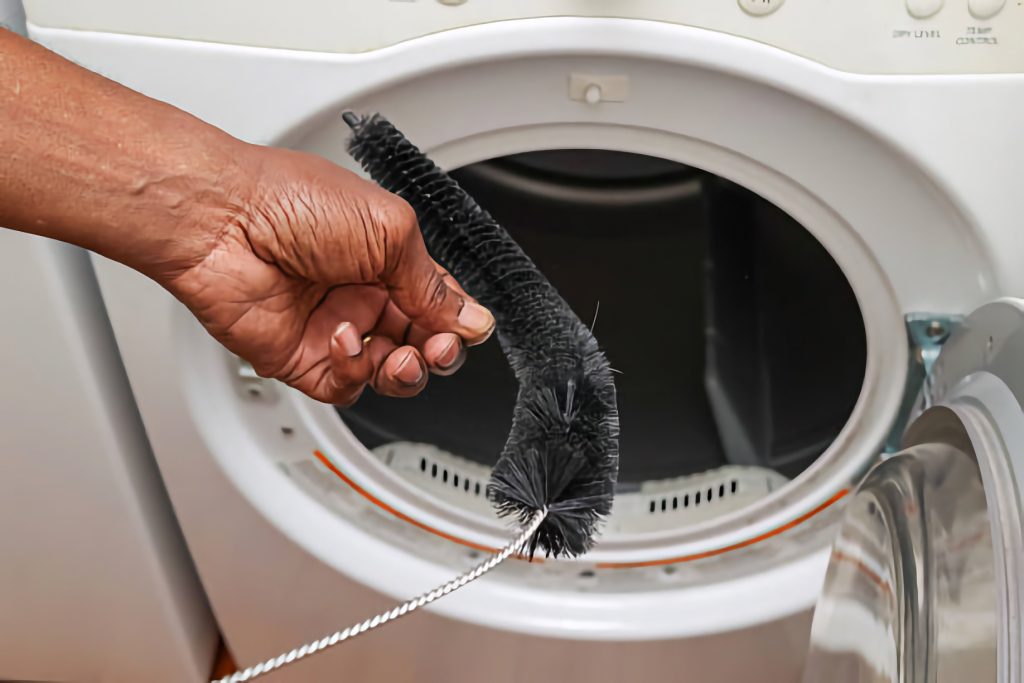
4. More filters and parts to keep clean — Users must consistently clean multiple lint filters and occasionally the condenser.
Neglected maintenance drops efficiency more noticeably than with vented dryers.
5. Not ideal for very heavy laundry situations — Large families running frequent towel and bedding loads or needing rapid back-to-back cycles may find the slower pace limiting.
For high-volume use, vented units or commercial systems may remain more practical.
Choosing the Right Heat Pump Dryer for Your Home
Consider size, electrical supply, location, and features before purchasing.
- Size and capacity
Compact units around 4.0 cu. ft. fit most typical loads and suit smaller households or limited spaces.
Full-size models (6.0–7.4 cu. ft.) handle larger families with bedding and bulky items.
- Electricity requirements
Most full-size units need 240V outlets. Compact 120V models work where adding new circuits is difficult or expensive.
- Installation location
No vent required, but ensure adequate airflow clearance and a plan for condensate management via tank or drain hose.
- Features
Look for moisture sensors, anti-wrinkle cycles, and app notifications (like water tank full alerts). Brands like Miele, LG, and Whirlpool offer various smart options.
- Noise and vibration
Levels compare to modern conventional dryers. Level the feet properly and place on stable flooring for quiet operation.
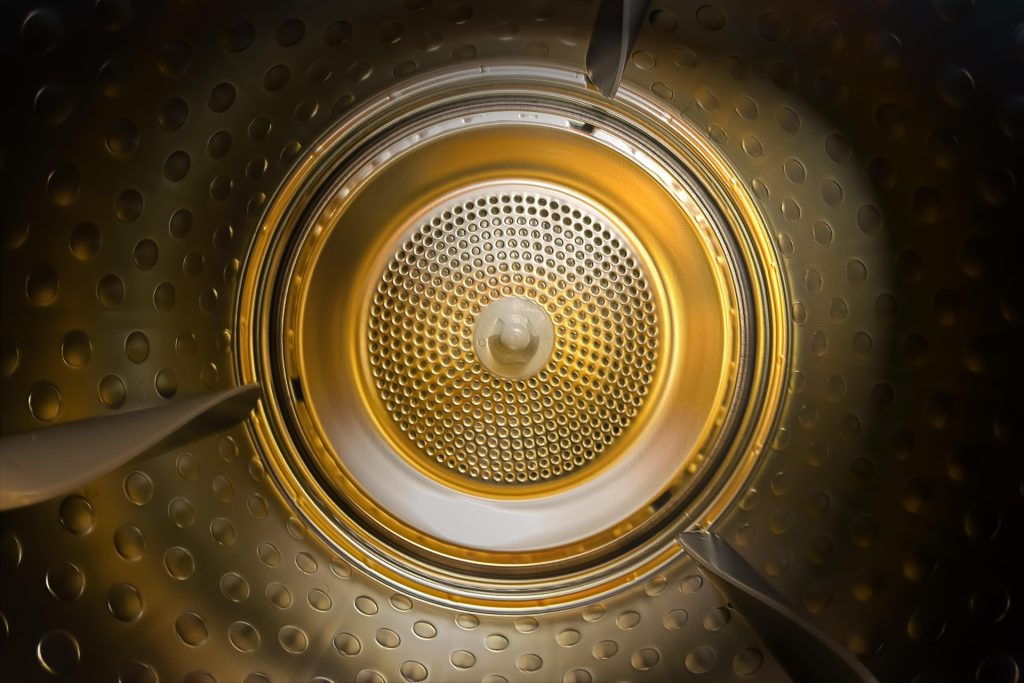
Monthly maintenance should include cleaning the condenser area following the user manual’s instructions to maintain proper airflow.
If your dryer uses a water tank, be sure to empty it whenever the indicator light activates; if it uses a drain hose, check periodically for any kinks or clogs.
Additionally, follow any annual or semiannual maintenance checks recommended in the user manual, such as vacuuming dust around air intake grilles.
While heat pump dryers require a few more maintenance steps than simple vented models, each task takes under five minutes and quickly becomes routine.
With consistent care, you can expect 10–15 years of efficient, fabric-friendly drying. To stay informed and receive updates on the latest tips and guides, be sure to join the newsletter at laundryandwashing.com and never miss our next article.
Stay Ahead of
the Spin Cycle
Sign up for the latest in washing & drying tech, eco detergents, and more clever laundry room ideas—no fluff!