
Gas vs Electric Dryer: An In-Depth Comparison for Homeowners
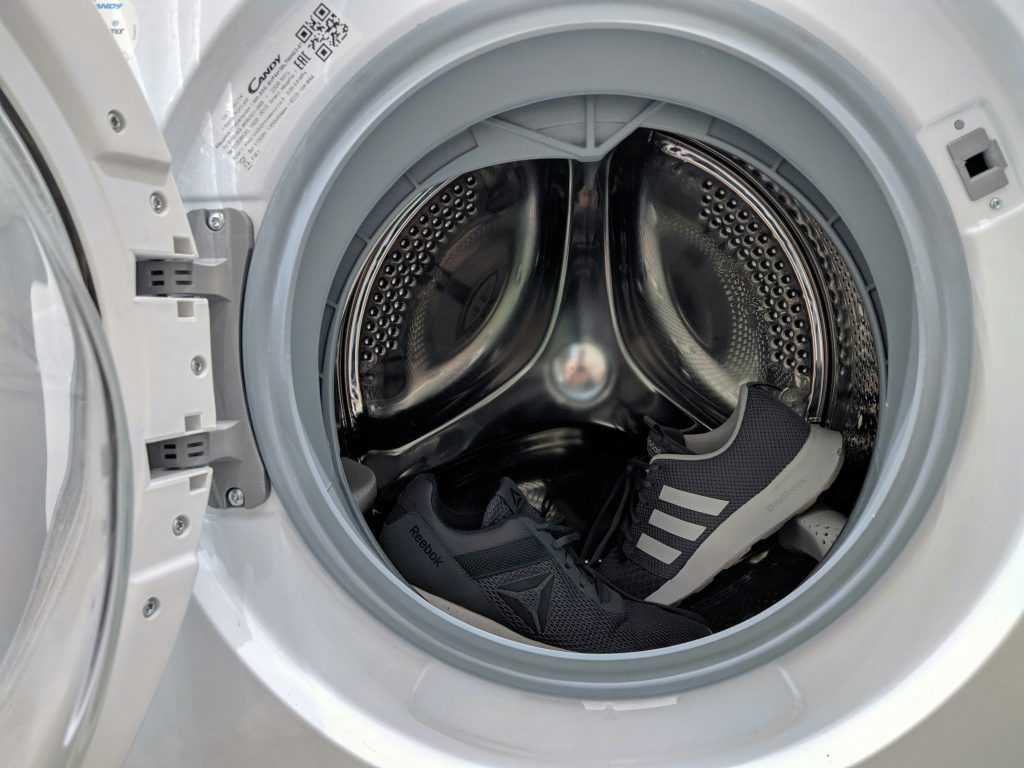
Choose gas if you have an existing gas line, low local gas rates, and plan to stay in your home long-term.
Choose electric if you only have a 240V outlet, live in a multi-unit building, or prefer simpler installation and maintenance.
Both gas and electric dryers are reliable and can last about 10–13 years with proper maintenance.
The decision often comes down to existing hookups, local energy prices, and whether you’re comfortable with a gas appliance in your laundry area.
Gas vs Electric Dryers: What’s The Core Difference?
Both dryer types rely on electricity to power the motor, drum rotation, blower fan, moisture sensors, and control panel.
The difference lies entirely in how they produce heat to dry clothes.
A gas dryer uses a natural gas or propane burner that ignites electronically.
This flame heats incoming air rapidly—reaching target temperatures in 2–5 minutes—before the blower pushes it through the tumbling drum.
Gas models require a 120V standard outlet for their electrical components plus a dedicated gas hookup.
An electric dryer generates all its heat through high-resistance nichrome wire coils connected to a 240V, 30-amp circuit.
These coils glow red-hot, and air passes over them before entering the drum.
Electric models take slightly longer to reach full heat (5–10 minutes) but offer more precise temperature control in modern units.
Performance, capacity options (typically 7.0–9.0 cu. ft.), and features like steam refresh cycles, moisture sensors…
…and smart connectivity are broadly similar between comparable gas models and electric equivalents from brands like Maytag, LG, and Whirlpool.
Note that your choice is often limited first by your laundry room hookups, then by budget and usage patterns.
Home Requirements: Do You Need an Electric or Gas Dryer?
Before comparing pros and cons, confirm what your home is wired and plumbed for. This single factor often makes the decision for you.
Electric dryer hookup requirements:
- Dedicated 240-volt, 30-amp circuit from breaker panel
- NEMA 14-30R four-prong outlet (post-1996 code) or older 10-30R three-prong
- Matching 4-wire power cord
- Access to exterior venting
Gas dryer hookup requirements:
- Capped natural gas line with shutoff valve (or propane with regulator)
- Approved flexible gas connector (max 6 feet per code)
- Standard 120V grounded outlet for controls
- Access to exterior venting

How to identify your hookups:
Look behind where your dryer sits. A large rectangular outlet with four slots indicates 240V electric service. A rigid black iron pipe with a lever-style valve signals gas availability.
Many homes have only one or the other.
Installing new infrastructure costs real money. Running a 240V circuit typically costs $300–$800 depending on distance from your panel. Extending a gas line can run $500–$1,500 or more, requiring licensed plumbers and pressure testing.
Simple decision rule:
If you have only a 240V outlet, electric is the practical choice. If you have both hookups, compare operating costs.
If building new, provision for both to maximize resale flexibility.
How Gas Dryers Work
Gas dryers combine a gas burner with an electric motor and control system.
The process works as follows:
- Door closes, triggering sensors and starting the drum motor
- Electronic ignition sparks the burner valve open
- Gas mixes with air and combusts, creating a blue flame
- Incoming air passes over the flame, heating rapidly to 150–160°F
- Blower forces hot air through the tumbling drum
- Moist exhaust exits through metal vent ducting to outdoors
Gas dryers must be vented outdoors using rigid or semi-rigid metal ducting—never plastic or foil—to safely exhaust combustion byproducts and moisture.
Modern units include flame sensors, thermostats, and high-limit cutoffs to prevent overheating or gas leak situations.
The rapid heat generation contributes to shorter cycle times, often 30–45 minutes for cotton loads versus 45–60 minutes for electric.
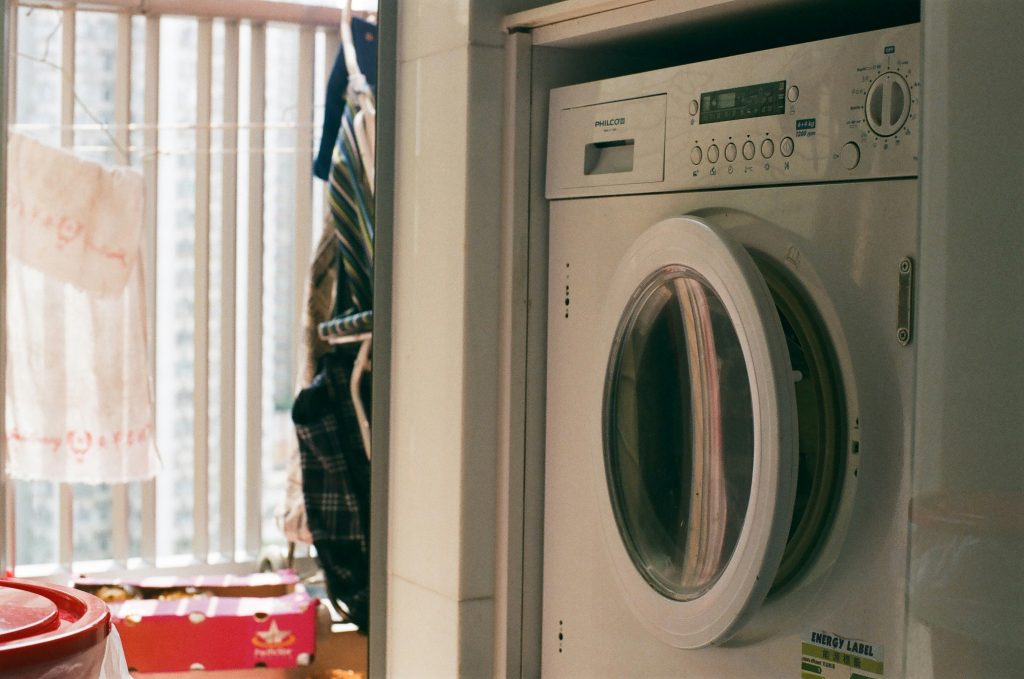
Energy and water efficiency.
Heat pump all in ones, often ENERGY STAR rated, use substantially less electricity than standard vented electric dryers.
A 12-pound cotton load drying in about 3.5 hours on a GE UltraFast-style combo uses roughly half the energy of a conventional dryer. Front-load washer designs also use less water than top-loaders—often important in regions with high water costs.
Some consumers appreciate that all-in-one washer dryer combos do not add much heat load to the house, which can save on air conditioning costs.
Gentler on clothes.
Lower drying temperatures and moisture sensors prevent overdrying, extending garment life. This matters especially for synthetics, activewear, and delicate fabrics that can’t handle high heat.
Ideal for:
one- or two-person households, empty nesters, urban renters, second homes, accessory dwelling units, and tight laundry closets where stacking is impossible.

Electric ventless types—condenser and heat pump models—recirculate air and condense moisture into a drain or collection tank instead of venting outdoors.
These are useful where exterior venting is not possible, though cycles run longer (90–120 minutes) at gentler temperatures.
Electric models have simpler mechanical systems with no gas valve, burner, or ignition components, which can reduce some types of maintenance and repair complexity.

Main drawbacks:
- Higher initial cost ($50–$150 more than comparable electric models)
- Installation complexity if no gas line exists
- Requires proper combustion air and exterior venting per code
- Risk of gas leak requires periodic professional inspection
- More limited DIY servicing due to gas safety regulations
After-sales considerations: Repairs typically cost 10–20% more due to gas technician certification requirements. Keep documentation of all gas work for insurance and resale purposes.
Annual burner inspections ($100–$200) are recommended.
Gas makes the most sense for larger families doing multiple loads weekly, long-term homeowners in low gas-rate areas, and homes already equipped with code-compliant gas connections.

Key drawbacks:
- Potentially higher energy cost per load depending on local electricity prices
- Usually longer drying times (20–40% more for equivalent loads)
- Higher demand on electrical panel (30A draw can strain older 100A service)
- Less time-efficient for high-volume laundry households
When electric is preferable:
No existing gas line, short or uncertain length of stay, multi-unit buildings with electric-only infrastructure, homeowners wanting a combustion-free laundry environment, or those already using solar to offset their electric bill.
Cost Comparison: Purchase Price, Installation, and Running Costs
Total cost of ownership includes upfront price, installation, energy, and maintenance over a typical 10–13 year dryer lifespan.
When considering the costs associated with gas and electric dryers, several factors come into play.
The appliance price range for gas dryers typically falls between $750 and $1,700, while electric dryers generally cost between $650 and $1,500.
Installation costs vary depending on whether the necessary hookups already exist.
For gas dryers, if the hookup is already in place, installation costs range from $150 to $300. However, if a new gas hookup is needed, installation expenses can increase significantly, ranging from $500 to over $1,500.
Electric dryers, on the other hand, usually have lower installation costs. If a 240-volt outlet is already available, installation may cost between $0 and $150.
If a new electrical hookup is required, installation costs typically range from $300 to $800.

Annual energy costs also differ between the two types of dryers. On average, gas dryers incur annual energy expenses between $20 and $45, whereas electric dryers tend to have higher annual energy costs, ranging from $35 to $75.
Maintenance costs per year are relatively comparable, with gas dryers typically requiring $50 to $150, and electric dryers needing $50 to $100 annually.
Understanding these cost components can help homeowners make an informed decision when choosing between a gas or electric dryer based on their budget, existing home infrastructure, and long-term energy expenses.
At 2026 national averages (gas ~$1.20/therm, electricity ~13¢/kWh), gas dryers save $200–$400 over their lifespan after accounting for higher upfront costs. However, this calculation can flip in regions with volatile gas prices (Northeast winters) or where solar makes electricity effectively cheaper.
Check your own rates:
Look at your utility bills for $/therm (gas) and ¢/kWh (electricity). Manufacturer energy guides and online calculators can estimate yearly operating costs based on your actual rates.
Long-term perspective:
In a home where gas is cheap and you expect to stay 5–10+ years, higher upfront gas costs get offset by lower utility bills. In a rental or short-term situation, the lower initial cost of an electric dryer typically wins.

Electric dryer efficiency:
- Standard vented models: CEF 3.0–3.8
- Heat pump models: CEF 5.5–6.8 (most energy efficient option)
- No on-site emissions, but environmental impact varies depending on grid source
Environmental impact ultimately depends on how electricity is generated in your region.
In areas with high renewable energy penetration (Pacific Northwest hydro, expanding solar), electric dryers produce less carbon per load. In coal-heavy grids, the difference narrows or reverses.
Heat pump electric dryers achieve 50–70% energy savings over standard vented models but cost more upfront and run longer, gentler cycles.
Installation, Safety, and Code Considerations
Proper installation and ventilation are critical for both safety and performance, regardless of dryer type.
Gas dryer requirements:
- Licensed professional for new gas piping (required by code)
- Approved flexible gas connector with shutoff valve
- Leak testing before operation
- Rigid or semi-rigid metal venting to outdoors (never plastic or foil)
- Adequate combustion air per local building code
- CO detector recommended nearby
Electric dryer requirements:
- Correctly sized 240V circuit and breaker
- Proper outlet type (four-prong NEMA 14-30R per post-1996 NEC)
- Matching cord configuration
- Metal venting to outdoors
Both types require 12–18 inch rear clearance and vents cleaned regularly (at least annually) to reduce fire risk.
Converting a machine designed for gas or electric to the other fuel type is not safe, voids warranties, and is never recommended.

Electric dryer maintenance:
- Periodic inspection of heating element and thermostats (DIY-friendly)
- Vent duct cleaning at least annually
- Check 240V circuit, cord, and receptacle condition
- Element replacement every 8–10 years ($100–$200)
Common issues:
Many problems—poor drying, long cycles, overheating—stem from clogged vents rather than failures of gas or electric components. Lint buildup can reduce airflow by 50% and contributes to roughly 15,500 US dryer fires annually.
Consider warranty coverage, authorized service availability in your area, and typical repair vs. replacement costs when evaluating your best option.
Special Cases: Apartments, Condos, and Small Spaces
Many multi-unit buildings restrict gas appliances or prohibit exterior venting, which strongly influences dryer choice.
Most combo washer-dryer units and compact stackable sets are electric and often ventless, making them ideal for apartments or closets without exterior wall access.
Heat pump electric dryers accommodate interior spaces where venting is not feasible while delivering superior energy efficiency.
Before upgrading, check building rules, HOA regulations, and existing electrical capacity. Stacked gas configurations exist but are rare in high-rise environments.
If your building allows only electric, ventless models from brands like Bosch or Miele fit 0-clearance closets and qualify for DOE rebates.

Gas is better when:
You have an existing gas line, local gas prices are low, you do 8+ loads weekly, and you plan to stay 5+ years to recoup the upfront premium.
Electric is better when:
You have only 240V service, live in an apartment or condo, expect a shorter stay, or want to power your laundry with renewable energy from solar panels.
Factor in future flexibility too. Homes with both gas and 240V hookups command 1–3% higher resale value in many markets.
Both modern gas and electric dryers are capable, efficient, and reliable when installed correctly and maintained regularly.
Check your local utility rates, inspect your existing hookups, and you’ll have the information you need to save money and dry clothes effectively for years to come.

Stay Ahead of
the Spin Cycle
Sign up for the latest in washing & drying tech, eco detergents, and more clever laundry room ideas—no fluff!